
The Fireground EMT: Expanding EMS’ Contributions on the Fireground
Christine Tonetta
Friday, June 12, 2026
2:45 PM – 4:15 PM
This presentation explores the expanding and increasingly critical role of non-firefighter Emergency Medical Services professionals, specifically Emergency Medical Technicians, within modern fireground operations. As emergency response continues to evolve, EMTs are moving beyond traditional medical responsibilities and taking on roles that directly enhance fireground efficiency, safety, and overall coordination.
The session examines how EMTs actively contribute to fireground strategy, communication, and operational support alongside firefighting personnel. Emphasis is placed on cross-functional knowledge, collaboration, and proactive safety practices that allow EMS personnel to function more effectively in dynamic and often hazardous environments. Participants will be introduced to essential fireground fundamentals, including common fire service terminology, equipment, apparatus, hose lines, alarm levels, and basic building construction concepts relevant to fire incidents.
The presentation also addresses ambulance response and scene placement, focusing on best practices for arrival, positioning, and operational readiness at fire incidents. Attendees will gain a clear understanding of how proper ambulance placement supports medical operations while avoiding interference with suppression activities, as well as how EMTs can assist the fire engineer during response. In addition, the course covers EMT size-up and 360-degree assessment techniques, enabling EMS personnel to safely identify hazards, recognize resource needs, and communicate valuable information to fire crews when conditions allow.
Further discussion will include common fireground activities and EMT support functions, with a strong emphasis on safety protocols designed to protect both EMS and fire personnel. The session concludes with an overview of firefighter decontamination and rehabilitation operations, outlining how EMTs can effectively establish and manage Decon and Rehab areas to support firefighter health and recovery during and after incidents.
Overall, this presentation highlights the importance of integrated response strategies, shared understanding, and expanded training to empower EMTs as essential contributors to today’s fireground operations.
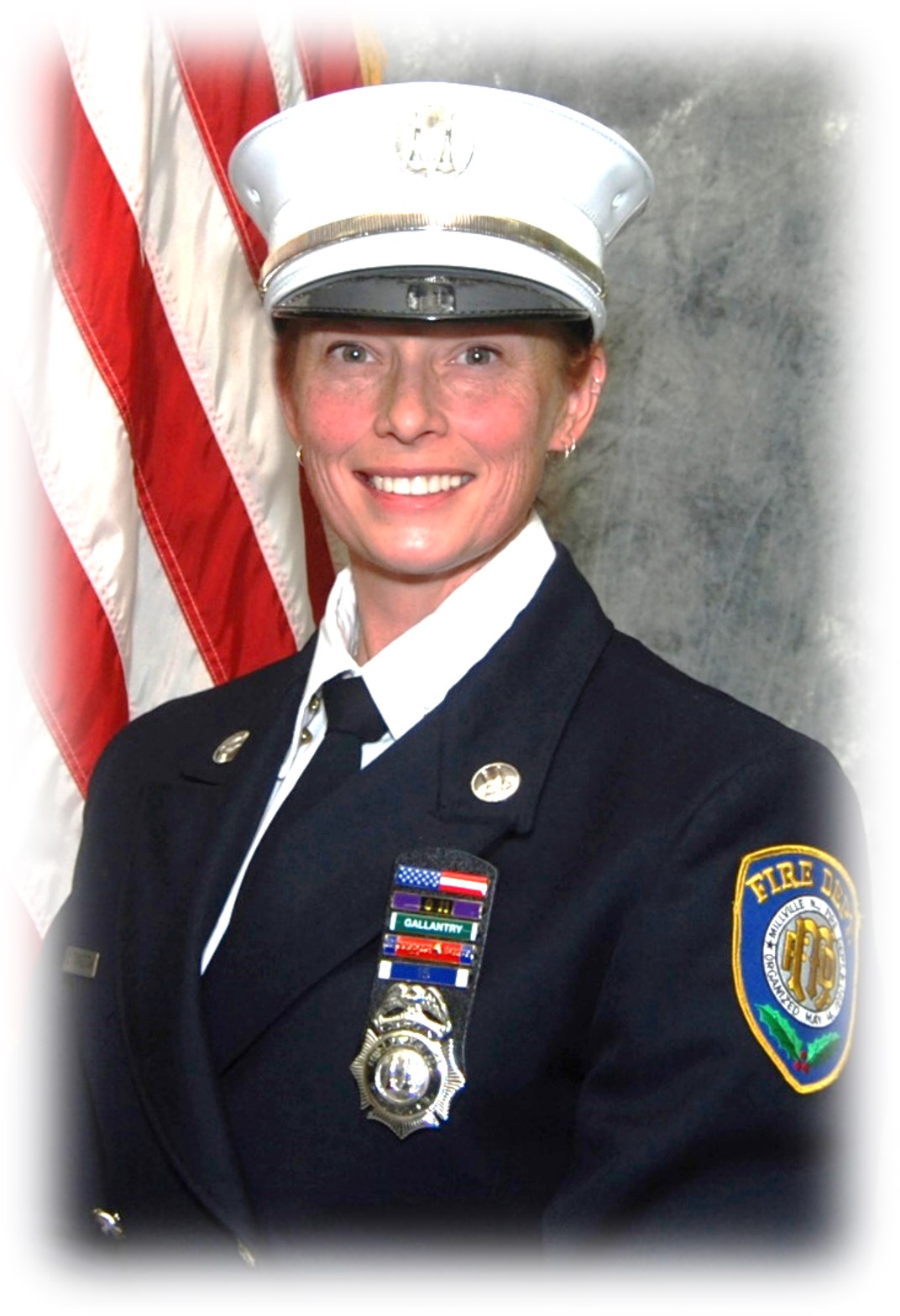
Christine Tonetta
Christine Tonetta serves as the B-shift Captain and training officer at the Millville (NJ) Fire Department, as well as an administrator and instructor at the Cumberland County (NJ) Fire Academy. With over 25 years of dedicated service in fire and EMS, Christine has extensive experience in both volunteer and career roles. She holds an AS in fire science and a BS in Organizational Leadership.
